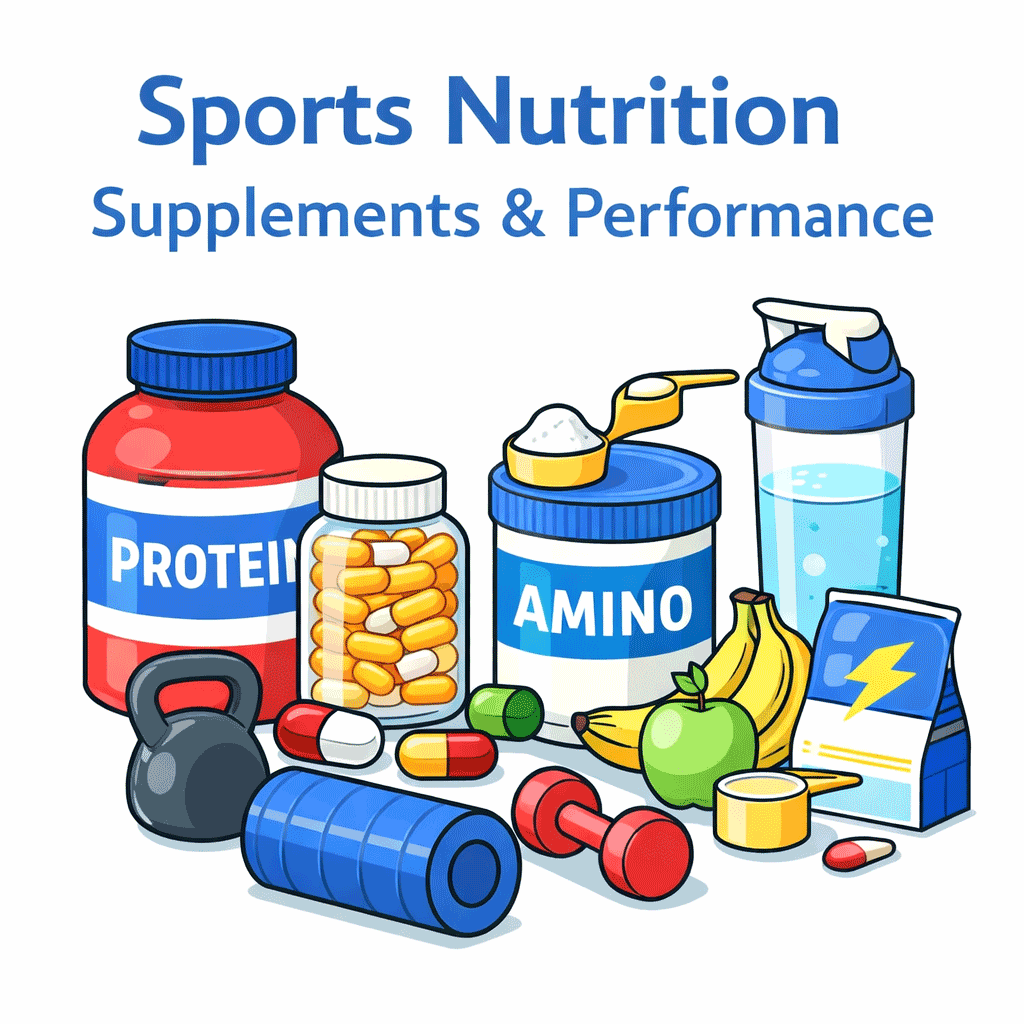
For elite athletes, sports nutrition supplements are often aligned with structured training programs, performance monitoring, and recovery planning. For lifestyle users, the same products may be positioned around general fitness, energy support, and body composition goals.
This wide spectrum of users means that sports nutrition positioning must be flexible. Products designed for athletes and performance must also communicate safety, appropriate use, and realistic expectations for non-professional users.
The Europe Landscape: Sports Nutrition, Dietary Supplements, and Channel Dynamics
Offline vs online demand: how pharmacies and specialty stores shape trust in dietary supplements and product education
In Europe, offline distribution channels such as pharmacies and specialty nutrition stores remain highly influential. These channels play an important role in educating consumers about sports nutrition supplements and reinforcing trust.
Pharmacists and trained staff often help consumers understand the use of dietary supplements, especially in relation to health and safety. This is particularly relevant for products positioned around high intensity exercise, recovery, and hydration, where misuse could lead to negative effects.
At the same time, online channels continue to grow. Digital platforms allow consumers to compare products, read research summaries, and access personalized recommendations. However, the lack of direct professional guidance means that clear labeling and transparent communication are even more critical.
Clean label and sustainability signals: why “associated with” transparency is becoming a purchase driver in Europe
European consumers increasingly expect sports nutrition supplements to align with broader health and environmental values. Clean label formulations, minimal additives, and traceable sourcing are now closely associated with product quality.
Transparency around ingredients, dosage, and intended use helps consumers make informed decisions. Instead of promising dramatic outcomes, many brands focus on how ingredients are associated with improved performance, recovery, or endurance when used as part of a balanced nutrition and training plan.
Sustainability also influences purchasing decisions. Products that communicate responsible sourcing and reduced environmental impact are often perceived as higher quality and more trustworthy, especially among younger consumers.
Personalized approaches: how data-driven guidance is influencing sports nutrition and product selection
Personalization has become a significant trend in sports nutrition. Consumers increasingly seek products that match their training intensity, dietary habits, and performance goals.
Data-driven tools such as fitness tracking, body composition analysis, and dietary assessments influence how people select sports nutrition supplements. As a result, products designed to support specific outcomes—such as endurance, muscular strength, or recovery—are gaining traction.
This shift encourages more precise product positioning and highlights the importance of explaining how ingredients function in the body, rather than relying on broad or exaggerated claims.
Performance Ingredients to Enhance Training: Amino Acids, Beta Alanine, and Product Positioning
Amino acids in sports nutrition supplements: why formulation logic matters (dose form, stacking, timing, and compliance language)
In sports nutrition supplements, amino acids rank among the most widely used ingredients. They are associated with muscle maintenance, recovery, and adaptation to training stress.
Formulation logic plays a critical role in how amino acids are positioned. The form of the supplement—powder, capsule, or liquid—affects absorption, convenience, and timing of use. Many consumers choose amino acid products that can be used before, during, or after exercise, depending on their training routine.
From a communication perspective, it is important to describe amino acids in a compliant way. Rather than promising muscle growth or performance outcomes, responsible messaging focuses on how amino acids are associated with recovery and nutrition support when combined with exercise.
Beta alanine in sports supplements: what it is typically used for in performance positioning and why brands must avoid over-claims
Beta alanine is commonly included in sports supplements designed for high intensity exercise. It is often associated with muscle pH buffering and perceived exertion during intense training sessions.
Research in trained athletes and high performance athletes has explored the effects of beta alanine on exercise capacity and fatigue. Some double blind and meta analysis studies suggest potential benefits in specific training contexts, especially during repeated high intensity efforts.
However, it is essential for brands to avoid over-claims. Beta alanine should be positioned carefully, emphasizing its role as part of a broader nutrition and training strategy rather than a guaranteed performance enhancer. Safety and appropriate dosing must always be clearly communicated.
“Associated with” performance outcomes: translating ingredient research into compliant structure/function-style messaging
Scientific research plays an important role in sports nutrition, but translating research into consumer-friendly messaging requires caution. Many studies focus on specific populations, such as elite athletes or trained athletes, under controlled conditions.
As a result, responsible brands use “associated with” language to describe how ingredients may influence performance, recovery, or endurance. This approach acknowledges the potential benefits without implying medical treatment or guaranteed results.
Clear explanation of the conditions under which research was conducted—such as exercise intensity, training status, and duration—helps manage expectations and build long-term trust.
Formulation and Quality: From Dietary Habits to Finished Products
Protein and amino acids formats: powders, ready-to-mix, capsules, gummies—how format choices follow dietary habits
Product format is closely linked to dietary habits and lifestyle. Protein powders and ready-to-mix drinks remain popular due to their flexibility and ease of use. Capsules and tablets appeal to consumers who prefer precise dosing and portability.
Gummies and flavored drinks are increasingly used to improve compliance, especially among users who find traditional sports supplements inconvenient or unpleasant to consume. However, these formats require careful formulation to maintain stability and dosage accuracy.
Choosing the right format depends on the intended use, target audience, and regulatory considerations in different European markets.
Quality, testing, and label clarity: what sports nutrition brands need to document for consistent consumer expectations
Quality assurance is critical in sports nutrition. Consumers expect products to deliver consistent composition and safety, especially when supplements are used regularly or alongside intense exercise.
Testing protocols, including raw material verification and finished product analysis, help ensure that products meet label claims. Clear labeling supports informed use and reduces the risk of misuse.
For athletes and competitive users, anti doping considerations are particularly important. Products must be free from prohibited substances and clearly documented to support safe use.
Avoiding common pitfalls: under-dosed actives, incompatible blends, stability issues, and misleading “to enhance” claims
Several pitfalls can undermine the credibility of sports nutrition supplements. Under-dosed active ingredients may fail to deliver meaningful support, while incompatible blends can reduce effectiveness or cause unwanted effects.
Stability issues, especially in liquid or gummy formats, can affect product quality over time. Misleading claims that promise dramatic improvements or rapid results can also damage consumer trust.
Avoiding these issues requires careful formulation, realistic positioning, and ongoing quality monitoring.
Go-to-Market Strategy for Sports Nutrition Supplements: Building Trust, Differentiation, and Long-Term Demand
Who the product is for: segmenting athletes and performance lifestyles by goal (strength, endurance, recovery, weight management)
Successful sports nutrition products clearly define their target audience. High performance athletes, trained athletes, and lifestyle users all have different needs and expectations.
Segmentation by goal—such as muscular strength, endurance, recovery, or weight management—helps clarify product purpose and usage. This approach also supports more precise communication and reduces the risk of misuse.
Understanding the diversity of users allows brands to design products that are relevant, safe, and aligned with real-world training behaviors.
Compliance and credibility: aligning sports nutrition supplements with European expectations for labeling, claims, and transparency
European markets place strong emphasis on compliance and consumer protection. Sports nutrition supplements must align with food and dietary supplement regulations, including labeling, ingredient use, and health-related communication.
Transparency around formulation, sourcing, and intended use enhances credibility. Instead of focusing solely on performance outcomes, many brands emphasize nutrition support, recovery, and overall health and safety.
This compliance-driven approach supports long-term market access and reduces regulatory risk.
A practical launch checklist: product positioning, ingredient story, supply chain transparency, and education-led marketing
Launching a sports nutrition supplement successfully requires coordination across multiple areas. Product positioning should clearly explain who the product is for and how it fits into a training routine.
The ingredient story should focus on quality, rationale, and association with performance or recovery, supported by research where appropriate. Supply chain transparency helps build trust and supports sustainability goals.
Finally, education-led marketing—through clear content, usage guidance, and realistic expectations—helps consumers use sports nutrition supplements safely and effectively.
Conclusion
Sports nutrition supplements in Europe are evolving into a sophisticated category shaped by dietary habits, performance goals, and preventive health thinking. Ingredients such as amino acids and beta alanine continue to play important roles, but their value depends on responsible formulation, compliant communication, and realistic positioning.
As the sports nutrition market expands beyond athletes and into everyday wellness, brands that prioritize quality, safety, and transparency are best positioned for long-term success. Ultimately, sports nutrition supplements are most effective when they support training, recovery, and health as part of a balanced nutrition and exercise strategy—not as standalone solutions.
In summary, understanding sports nutrition supplements through a responsible and evidence-aware lens helps consumers and brands focus on realistic outcomes rather than exaggerated promises. When aligned with sound dietary habits, structured training, and appropriate recovery strategies, these products may contribute to the benefits associated with improved performance, resilience, and long-term health. Importantly, guidance frameworks such as a sports nutrition position stand emphasize that supplements should complement—not replace—balanced nutrition, hydration, and individualized training plans. By prioritizing quality, transparency, safety, and compliant communication, the sports nutrition category can continue to support diverse performance lifestyles while maintaining consumer trust and regulatory alignment across European markets.